


Pranayama for Seasonal Transition: Breathing Life Back Into the Body
By Mitesh Raichada
Seasonal transitions can leave the body feeling depleted, scattered, or simply off. Pranayama, the Ayurvedic science of breath, offers simple, time-tested breathing techniques to help restore energy, calm the nervous system, and bring the body back into balance.
- Diaphragmatic breathing is the foundation of all pranayama and may support lymphatic drainage and a healthy stress response.
- Nadi shodhana (alternate nostril breathing) is traditionally said to purify all 72,000 nadis and is generally suitable across all seasons.
- Bhastrika (bellows breath) generates warmth throughout the body and may be especially supportive during Winter.
- Kapalabhati (skull shining breath) is an energizing, cleansing practice often considered beneficial for immune system support during Spring and Winter.
- Sheetali (cooling breath) is traditionally used to support the body’s natural ability to regulate warmth and may be especially beneficial during Summer.
Consistent practice may help the body return to healthy, subconscious breathing patterns over time.
Every breath you take is a conversation between your body and the world around you. When the seasons shift, that conversation changes. The air grows heavier, lighter, colder, or warmer. And your body, in its quiet wisdom, has to adjust.
Pranayama, the ancient Ayurvedic science of breath, offers a way to support that adjustment. These breathing techniques have been practiced for thousands of years to help restore vitality, calm the nervous system, and bring the body back into a natural rhythm. At SoHum Mountain Healing Resort, we see this firsthand. When guests arrive feeling scattered or depleted by seasonal change, the breath is often where healing begins.
Why Seasonal Transitions Affect the Way We Breathe
Seasonal change asks a lot of the body. As temperatures drop or rise, the body works to regulate its internal environment. Digestion may slow. Energy may feel inconsistent. Sleep patterns can shift. The nervous system, always listening, picks up on every cue.
From an Ayurvedic perspective, each season carries a particular quality. Fall and Winter tend to be dry, light, and mobile, which can increase vata in the body. Spring brings heaviness and moisture, which may elevate kapha. Summer carries heat and intensity, stirring pitta. When these qualities accumulate, the body can feel out of balance.
Breathing practices are one of the most direct ways to support the body during these transitions. Diaphragmatic breathing, in particular, activates the parasympathetic nervous system, which helps regulate heart rate and ease the stress response. Deep, conscious breathing also supports the lymphatic system, since the movement of the diaphragm acts as a gentle pump for lymphatic drainage throughout the body.
This is one reason why deep breathing exercises for lymphatic drainage have gained so much attention in modern wellness spaces. Ayurveda understood this connection long before it had a clinical name.
Coming Back to the Breath
One of the most common questions people ask about pranayama is simply about how to make breathing go back to normal. The honest answer is that you never really stopped. But under stress, during illness, or in the thick of seasonal change, breathing often becomes shallow and chest-centered. The abdominal muscles disengage. The inhale and exhale shorten. And what was once effortless starts to feel tight.
The path back is simpler than most people expect. Begin by placing one hand on your belly and one on your chest. Take a slow breath in and notice which hand rises first. If it is the chest, gently invite the belly to lead. Let the inhale expand the abdomen outward, and let the exhale allow it to soften back in. This is diaphragmatic breathing at its most basic, and it is, in many ways, the foundation of all pranayama.
The benefits of pranayama are numerous. With consistent practice, the body begins to return to this pattern subconsciously. The nervous system learns it as a default. The breath finds its depth again on its own.
Types of Pranayama for Seasonal Support
Not all breathing techniques work the same way. Different types of pranayama carry different qualities, and Ayurveda teaches us to match the practice to the season and the individual.
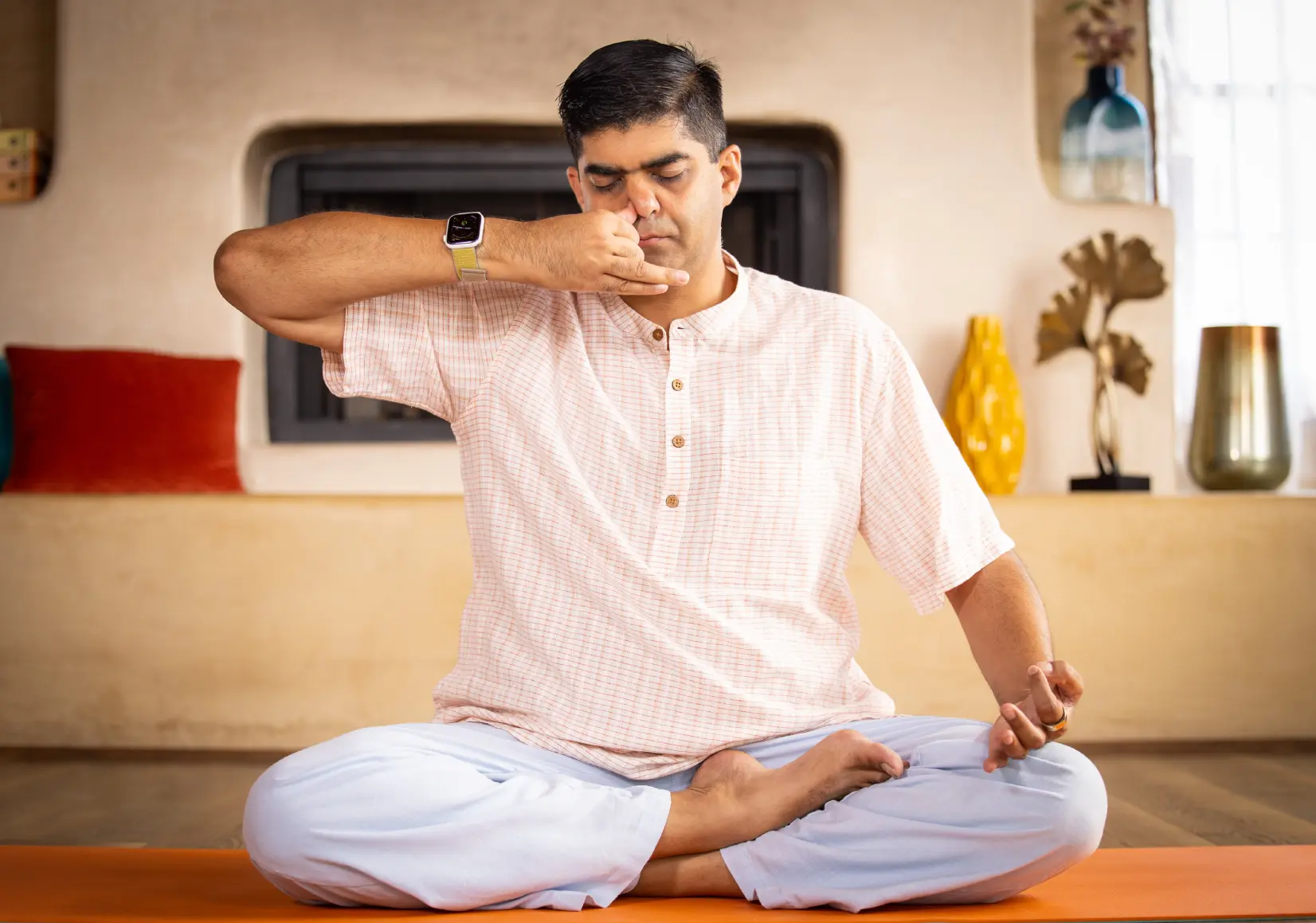
Nadi Shodhana: Alternate Nostril Breathing
“Which pranayama purifies all the 72,000 nadis?” is another inquiry we often receive. The answer is nadi shodhana, or alternate nostril breathing. Considered one of the most complete practices in the pranayama tradition, this technique is said to support the purification of all 72,000 nadis, or subtle energy channels, in the body. It is calming, balancing, and deeply harmonizing.
To practice, sit comfortably with your spine upright. Close the right nostril with your right thumb and inhale slowly through the left. Then close the left nostril with your ring finger, release the right, and exhale. Inhale through the right, then switch again. This is one cycle. Begin with five to ten cycles and gradually increase over time.
Nadi shodhana is generally considered suitable across all seasons. It may be especially supportive during Fall and Spring transitions when the nervous system is recalibrating. Practicing slowly and steadily, with pauses at the top and bottom of each breath, is ideal in Fall and Summer. Faster cycles are ideal for Winter and Spring.
Curious if this retreat is right for you?
Bhastrika: Bellows Breath
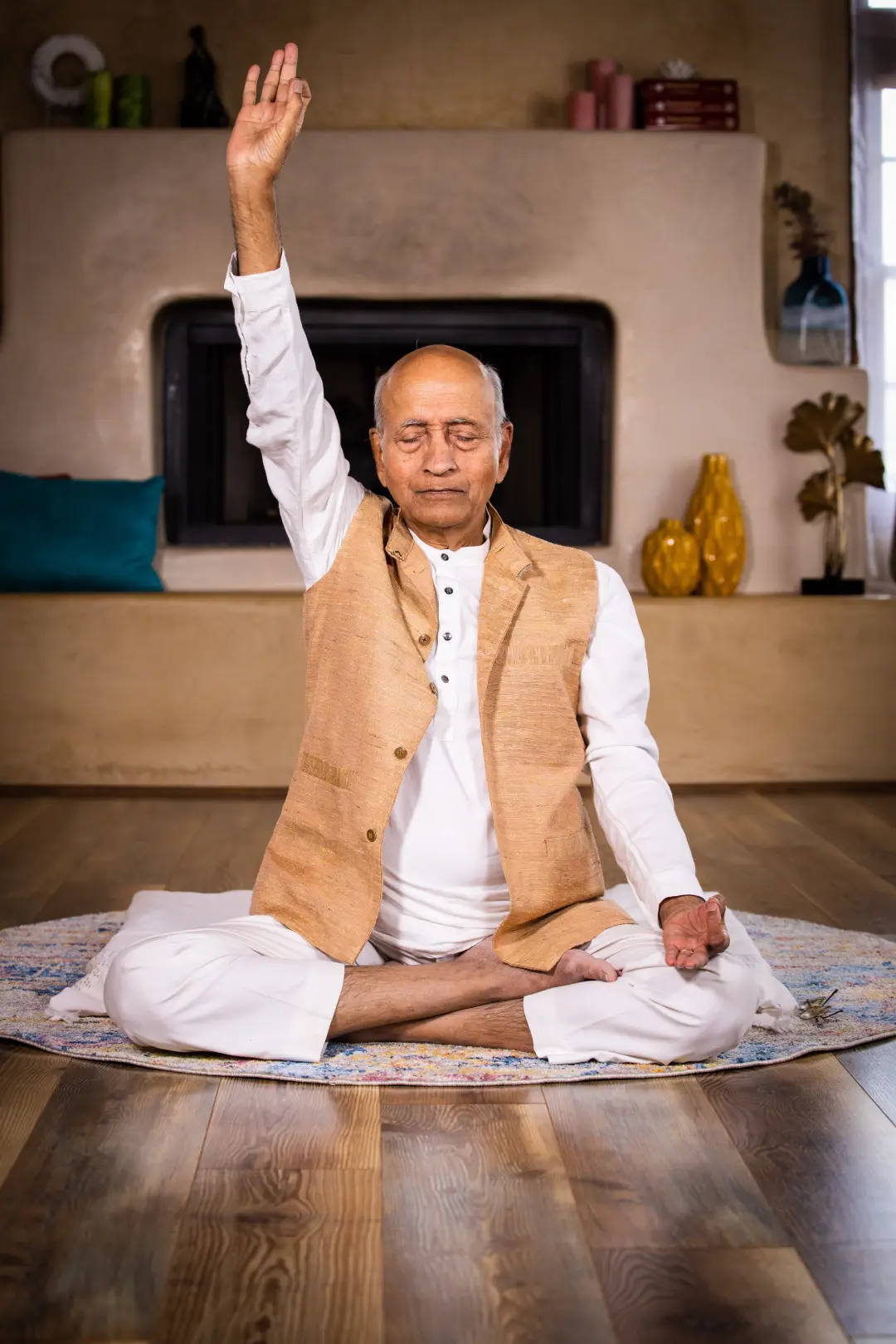
Are you curious which pranayama is beneficial in the winter season? Bhastrika, often called bellows breath or stimulating breath, is the answer you’re looking for. Bhastrika is a dynamic and energizing practice. The inhale and exhale are both forceful and rhythmic, engaging the abdominal muscles fully. This technique is warming by nature and is traditionally considered one of the pranayama practices that generates warmth throughout the body.
Because of this quality, bhastrika may be particularly beneficial in the Winter season. It is often used to support respiratory function, invigorate circulation, and awaken sluggish energy when the cold months bring heaviness or fatigue.
Practice bhastrika gently at first, with short sessions of ten to fifteen breaths. It is generally recommended to practice bellows breath on an empty stomach and to be extra careful if you are feeling overheated or are new to breathwork.
Kapalabhati: Skull Shining Breath
Kapalabhati, or skull shining breath, is a cleansing technique known for its energizing and clarifying qualities. It involves short, sharp exhales driven by quick contractions of the abdominal muscles, with passive inhales following naturally. The name itself points to its traditional purpose: bringing lightness and clarity to the mind.
Kapalabhati is often considered beneficial breathwork for immune system function, encouraging respiratory clearing and energy circulation. In Ayurveda, it is associated with reducing stagnation and supporting the natural movement of prana through the body.
This practice is typically recommended for Spring and Winter, when heaviness and congestion may accumulate. It is generally not recommended during pregnancy or for those with high blood pressure without additional guidance.
Sheetali: Cooling Breath
When Summer arrives with its intensity and heat, the body benefits from a different kind of breath. Sheetali, often translated as cooling breath, is a pranayama practice traditionally used to support the body’s natural ability to regulate warmth and maintain a sense of calm during the hotter months.
To practice, sit comfortably and roll the tongue lengthwise into a tube shape. If this is not accessible for you, simply part the lips slightly and let the teeth come together. Inhale slowly through the mouth, drawing the breath across the tongue. Then close the mouth and exhale gently through the nose. This is one cycle. Five to ten cycles is generally a good place to begin.
Sheetali is typically associated with a cooling, soothing quality. In Ayurveda, it is often considered supportive for pitta during Summer, when heat and intensity may accumulate in the body. It may also be beneficial for those experiencing occasional frustration, restlessness, or difficulty winding down at the end of a warm day.
Breath as a Daily Ritual
The beauty of pranayama is that it requires nothing more than your breath and a few minutes of quiet. It can be practiced at home, in nature, or as part of a deeper wellness journey at SoHum Mountain Healing Resort.
When you arrive for the Panchakarma Retreat at SoHum Mountain Healing Resort, pranayama is woven into the fabric of each day. It is not an add-on or an afterthought. It is part of how we invite the body to remember its own rhythm. Guided sessions with our experienced practitioners offer a space to learn these techniques properly, deepen your understanding of your unique constitution, and receive personalized Ayurvedic education to support your seasonal wellness goals.
For those looking to begin at home, even five minutes each morning can begin to shift how your nervous system responds to stress and seasonal change. Start with diaphragmatic breathing. Explore alternate nostril breathing as a gentle daily practice. Notice how your heart rate settles. Notice how the day feels different when it begins in breath.
Final Thoughts
The seasons will always change. That is not something we can control. But how we meet those changes, how we prepare the body, support the mind, and tend to the nervous system, that is entirely within our reach.
Pranayama offers a path that is ancient, accessible, and deeply effective. Whether you are looking to support your respiratory function, ease occasional stress, restore your energy, or simply learn how to go back to subconsciously breathing, these practices carry real wisdom for the body.
At SoHum Mountain Healing Resort, we believe that transformation begins with the smallest things. And sometimes, the smallest thing is simply a breath.
Learn about our Panchakarma Retreat and our Soma Retreat today. We’re excited to meet you.
We always recommend working with a qualified healthcare provider before making changes to your health routine. The information shared here is educational in nature and is not intended to diagnose, treat, cure, mitigate, or prevent any disease or health condition.
SHARE

Mitesh Raichada
CAP
Mitesh is the Executive Vice President of The Ayurvedic Institute and is a certified Ayurvedic practitioner trained under Vasant Lad.
