



Food as Prana: Choosing Pitta Balancing Foods for Seasonal Balance
By Sneha Raichada
Choosing pitta balancing foods is one of the most accessible ways to support your body’s natural harmony across every season. Here is what you will find in this guide:
- Pitta is the Ayurvedic energy of fire and transformation, and what you eat can support or aggravate it
- Cooling foods like cucumber, basmati rice, ripe fruits, and ghee are traditionally considered supportive for pitta balance
- Spicy foods, sour tastes, and acidic items may contribute to excess pitta, especially in summer
- Mindful eating practices, like sitting down, eating slowly, and making lunch your largest meal, matter as much as food choices
- Seasonal awareness helps you adjust your ayurvedic eating approach throughout the year for ongoing balance
There is an ancient idea at the heart of Ayurveda that food is not merely fuel. It is prana, living energy, a direct conversation between the natural world and the body. Every meal is an opportunity to listen to what your body needs and to respond with wisdom.
At SoHum Mountain Healing Resort, we believe that understanding your dosha is one of the most grounding, empowering steps you can take on your wellness journey. If you tend to run warm, feel intense, or notice a sharp edge in your digestion or emotions during certain times of year, Ayurveda may point to pitta as a primary energy in your constitution. And the good news is that what you eat every day can go a long way toward supporting that inner balance.
What Is Pitta, and Why Does It Matter?
In Ayurvedic tradition, pitta is one of the three primary doshas, or biological energies, that govern how the body and mind function. Pitta is associated with fire and water. It governs transformation, digestion, metabolism, and clarity of thought. When pitta is in balance, a person tends to feel focused, warm, and deeply capable. When pitta rises out of balance, the fire grows a little too strong.
Pitta imbalance may show up in many ways. Pitta imbalance symptoms can include occasional feelings of irritability, skin sensitivity, digestive discomfort, or a sense of overheating. These are not diagnoses, and Ayurveda does not claim to treat or cure any disease. Rather, these are signals your body may be sending that it is asking for cooling, calming, and more ease.
This is where pitta balancing foods become such a beautiful tool.
The Role of Food in Supporting Pitta Balance
Ayurvedic eating is built on the idea that food has qualities, just like the doshas do. Pitta is hot, sharp, light, and oily. To support balance, Ayurveda traditionally suggests favoring foods with opposite qualities: cool, mild, heavy, and slightly dry.
When there is excess pitta in the system, spicy foods, sour foods, and very salty foods may further stoke the internal fire. Reducing these and emphasizing sweet, bitter, and astringent tastes is a cornerstone of the ayurveda pitta dosha diet.
Some options traditionally considered pitta balancing foods include:
- Cooling vegetables and greens: Cucumber, zucchini, leafy greens, asparagus, and sweet potatoes are gentle, nourishing, and tend to have a cooling quality in the body.
- Sweet, ripe fruits: Mangoes, melons, pears, grapes, and pomegranates are generally considered pitta-supportive. Citrus fruits, particularly sour ones, may increase pitta and are generally better enjoyed in smaller amounts by pitta types.
- Whole grains: Basmati rice, oats, and wheat tend to be grounding and calming. These support steady energy without overstimulating digestion.
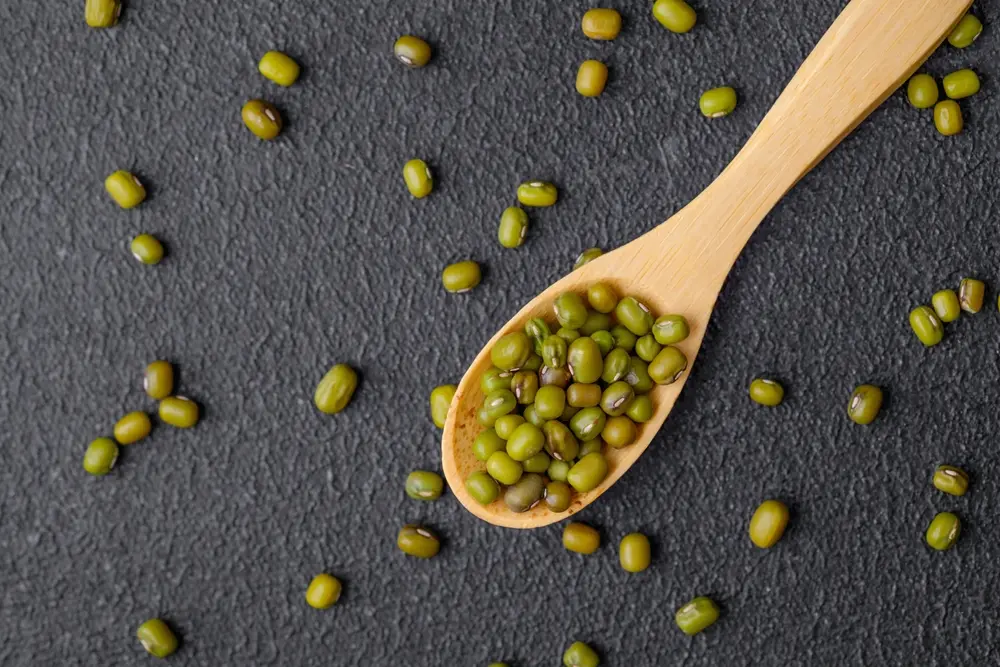
- Legumes: Mung beans, lentils, and chickpeas are traditionally used to support healthy digestion in an Ayurvedic context.
- Dairy and healthy fats: When tolerated, ghee and whole milk are among the most celebrated pitta-soothing foods in Ayurvedic tradition. Ghee in particular is considered deeply nourishing and cooling to the digestive fire.
- Cooling herbs and spices: Coriander, fennel, cardamom, turmeric, and fresh mint are among the herbs traditionally used to support digestion and pitta balance. These are a world apart from heating spices like cayenne, mustard seed, or raw garlic, which may increase pitta when consumed in excess.
Curious if this retreat is right for you?
Seasonal Awareness and Pitta Energy
Ayurveda views the year through a doshic lens. Summer is traditionally considered the season most associated with pitta. Long days, intense heat, and bright sunlight mirror pitta’s own qualities. This is often when pitta types, or anyone with a tendency toward excess pitta, may notice more intensity in the body or mind.
Late spring and early summer are natural times to consider lightening the diet, emphasizing raw and cooling foods, and reducing spicy foods and fermented items. As the seasons shift into fall and winter, the approach may evolve. Balancing pitta in winter often involves warmer, more nourishing foods while still keeping the emphasis on mild spices and avoiding too much heat or acidity.
Ayurvedic eating encourages a dynamic relationship with the season you are in. Rather than following a rigid plan year-round, the invitation is to tune in and adjust.
Mindful Eating as a Pitta Practice
For pitta dosha foods to truly do their work, how you eat matters as much as what you eat. Pitta types often tend toward intensity, even at mealtimes. Eating quickly, working through lunch, or skipping meals entirely can further aggravate excess pitta.
Some gentle practices to consider:
- Eat in a calm environment when possible. Sit down. Take a few slow breaths before your first bite. Chew slowly. These are simple acts, but in Ayurvedic tradition, the state of mind during a meal directly influences how the body receives and transforms food.
- Midday, when the digestive fire tends to be strongest, is traditionally considered the best time for the largest meal of the day. A light, cool breakfast and an early, easy dinner tend to support pitta balance over time.
If you are curious about what an ayurvedic practitioner might suggest specifically for your constitution and current imbalances, a personalized consultation can be a meaningful next step.
How to balance pitta in winter?
In winter, pitta can actually find some natural relief from the cooling external environment. However, the diet should still emphasize mild, nourishing foods. Warm soups, cooked grains, and ghee can be deeply supportive. Avoiding highly spicy foods and sour fermented items generally helps maintain pitta balance even in cooler months.
What foods should pittas eat?
Pitta dosha foods that are generally considered supportive include sweet fruits, cooling vegetables, whole grains like basmati rice and oats, mung beans, ghee, and mild herbs like coriander and fennel. The ayurveda pitta dosha diet typically limits spicy foods, sour fruits, red meat, and alcohol.
What are the symptoms of low pitta?
Low pitta may manifest as sluggish digestion, low motivation, difficulty staying warm, or a general lack of mental sharpness. Since pitta governs transformation and metabolism, too little pitta energy can leave one feeling slow and uninspired. It is worth noting that these are Ayurvedic observations and not medical diagnoses.
What season is associated with pitta?
Summer is the season most associated with pitta in Ayurvedic tradition. The heat, intensity, and long daylight hours mirror pitta’s qualities of fire and transformation.
What is the best breakfast for pitta dosha?
A cooling, lightly sweet breakfast tends to work well for pitta types. Options like oatmeal with ripe fruit, a pear or mango smoothie, or soaked dates with ghee are traditionally considered nourishing morning choices. It is generally best to avoid very spicy or acidic breakfast foods, like strong coffee or citrus juice in large amounts.
Final Thoughts
Food is one of the most intimate practices of self-care we have. Every meal is a chance to honor the intelligence already living inside you. Ayurveda does not ask you to follow a perfect diet. It asks you to become curious, to notice, and to respond with kindness to what your body needs.
At SoHum Mountain Healing Resort, we hold deep reverence for this 5,000-year-old lineage of healing. If you feel called to explore pitta balancing more deeply, whether through personalized Ayurvedic education, a seasonal reset, or an immersive Panchakarma Retreat, we would be honored to walk alongside you on that journey. Learn more about our Ayurvedic-inspired vegetarian and vegan dining experience today.
We always recommend working with a qualified healthcare provider before making changes to your health routine. The information shared here is educational in nature and is not intended to diagnose, treat, cure, mitigate, or prevent any disease or health condition.
SHARE

Sneha raichada
MPT, CAP, E-RYT 500, YACEP
Sneha is the Dean of Education at The Ayurvedic Institute and is a certified Ayurvedic practitioner.
