


Eating for Stability: Foods That Calm the Nervous System
By Sneha Raichada
Ayurveda has long understood that foods that calm the nervous system are foundational to emotional balance and mental well-being. This article explores how nourishing your body through intentional food choices and mindful eating habits may support greater steadiness from the inside out.
- Warm, cooked vata pacifying foods like oats, root vegetables, and mung dal are traditionally used to support a grounded, calm mind
- Healthy fats like ghee and sesame oil may support nerve tissue health and stable energy
- Anti-inflammatory fruits and vegetables and magnesium-rich foods may help support the body’s healthy stress response
- Adaptogenic herbs like ashwagandha and brahmi are traditionally used in Ayurveda to support mental clarity and nervous system function
- How you eat matters as much as what you eat: mindful eating practices activate the body’s natural rest-and-digest state
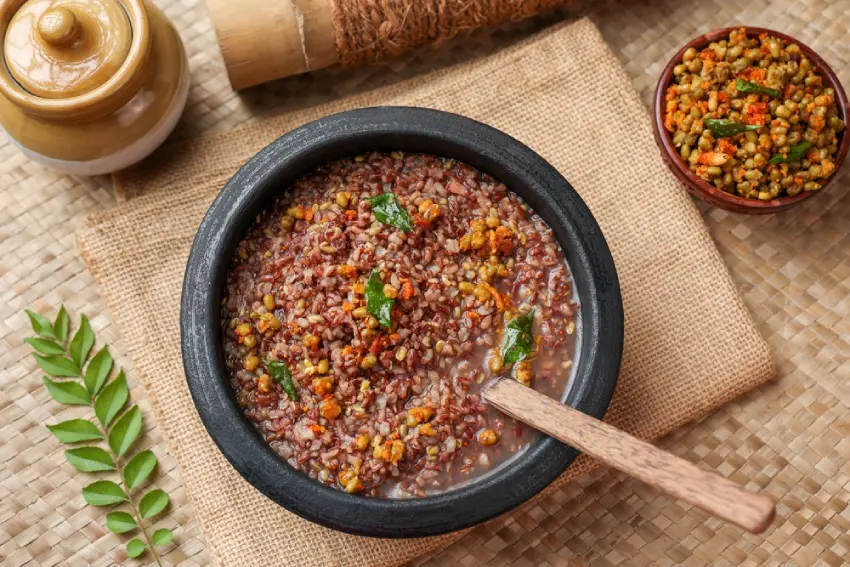
Somewhere between the noise of daily life and the quiet you’re searching for, there is a table. On it, a warm bowl of kitchari. A cup of golden milk. A handful of soaked almonds. Simple things, ancient things… and yet, in Ayurveda, deeply intentional ones.
At SoHum Mountain Healing Resort, we have long understood that what we eat is not separate from how we feel. Food is one of the most powerful tools we have to support balance in the body and steadiness in the mind. The 5,000-year-old science of life known as Ayurveda has always recognized this. Long before researchers began studying the gut-brain axis, Ayurvedic practitioners were tending to mental wellness through the kitchen.
Today, we explore the intersection of foods that calm the nervous system and mindful eating habits, and how both can be explored to achieve greater emotional stability and a calmer inner landscape.
Your Nervous System and the Food You Eat
Your nervous system is extraordinary. It governs everything from your breath to your mood, from your digestion to your response to stress. And it is deeply sensitive to what you feed it.
Modern research continues to explore how anti-inflammatory foods, healthy fats, and specific nutrients may support the body’s stress response. Ayurveda approaches foods that calm the nervous system from a different angle, but arrives at a similar understanding: a nourished body is a steadier one.
When we talk about stress hormones like cortisol, Ayurveda doesn’t use that language exactly. But it speaks of agni, the digestive fire, and of vata, the energy associated with movement, the nervous system, and the mind. When vata becomes excessive or ungrounded, the mind may feel scattered, anxious, or restless. Grounding, warming, nourishing foods are traditionally used to support vata balance and, in doing so, may also support a calmer nervous system.
Foods That May Support Nervous System Balance
You may be wondering what to eat to calm down the nervous system. Although an Ayurvedic practitioner can offer more specific guidance, you may find some of the options listed below to be foods that help with anxiety:
Warm, Cooked, and Grounding: Vata Pacifying Foods
In Ayurvedic tradition, raw and cold foods are generally considered more difficult to digest and may aggravate vata over time. Warm, well-cooked meals are easier for the body to absorb and typically more grounding. These are classic vata pacifying foods that Ayurveda has used for centuries to support the mind and body.
Vata-pacifying foods that calm the nervous system may include:
- Cooked grains like oats and rice
- Soups and stews
- Root vegetables
- Stewed fruit
- Mung dal
- Mild warming spices like cinnamon, ginger, fennel, and cumin
Curious if this retreat is right for you?
Healthy Fats
The nervous system is 60% fat. Myelin, the protective coating around your nerve fibers that helps fuel their operation, is largely made of fat. Ghee (clarified butter) holds a sacred place in Ayurvedic cooking for good reason. It is traditionally used to support the nervous system, lubricate the tissues, and maintain mental clarity. Other sources of healthy fats, like sesame oil, coconut, soaked walnuts, and avocado, may also be beneficial for nerve health and stable energy.
Fruits and Vegetables Rich in Antioxidants
Reducing inflammation in the body is a principle that both modern nutrition science and Ayurveda share. Anti-inflammatory foods, particularly colorful fruits and vegetables, are broadly associated with overall well-being and frequently top lists of foods to lower cortisol. Berries, dark leafy greens, beets, and sweet potatoes are rich in compounds that may support a healthy inflammatory response in the body. Ayurveda considers many of these deeply nourishing, particularly when cooked and spiced appropriately for your constitution.
Adaptogenic and Calming Herbs
Ashwagandha is one of Ayurveda’s most revered herbs. It is traditionally used to support the healthy stress response of the body and may be beneficial for maintaining a calm, steady state of mind. Brahmi (Bacopa monnieri) has long been used in Ayurvedic tradition to support mental clarity and nervous system function. These are not prescribed here as treatments for any condition. They are shared as part of Ayurvedic education about traditionally used botanical allies.
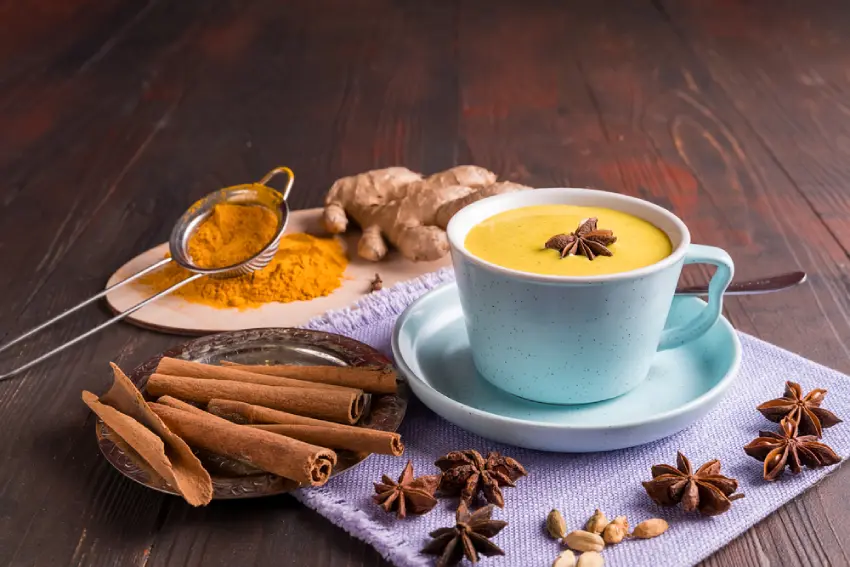
Enjoying warm golden milk (milk combined with turmeric, ginger, ashwagandha, and ghee) is one of the most beloved evening rituals in Ayurveda. It is an act of care and a deeply grounding practice.
Magnesium-Rich Foods
Many people today may not be getting enough magnesium, a mineral involved in hundreds of biochemical processes in the body, including those associated with the stress response. Foods like pumpkin seeds, black beans, and dark chocolate are among the richer dietary sources. From an Ayurvedic standpoint, many of these foods that reduce anxiety and calm the nervous system also have qualities that may help support vata and general mental well-being.
Fermented Foods and Gut Health
Ayurveda places agni, the digestive fire, at the very center of vibrant health. When agni is strong and balanced, the body can properly transform food into nourishment, and the mind tends to feel clearer and more settled. When agni is weak or irregular, ama (undigested residue) may accumulate, and this can generally affect how grounded and steady we feel day to day.
Rather than focusing on what to eat, Ayurveda often invites us to consider how we eat. Some traditionally supportive practices include:
- Eating only when genuinely hungry, allowing the previous meal to fully digest
- Choosing warm, freshly prepared foods that are easy to digest
- Sipping warm water through the day to support agni
- Eating in a calm setting, without screens or rushing
- Making the midday meal the largest, when agni is typically at its peak
Gentle, traditionally fermented foods like lassi (a diluted, spiced yogurt drink) may also be considered in small amounts as part of a meal, depending on one’s constitution and the season. Modern medicine also suggests that these foods may support the gut’s microbial environment, which in turn may influence mental health and emotional steadiness.
When we tend to agni with care, we are tending to something much deeper than digestion. We are nourishing the steady inner flame that supports clarity, contentment, and a sense of being at home in ourselves.
Inflammatory Foods: What Ayurveda Generally Recommends Reducing
Just as some foods may support balance, nourishment, and routine, others are generally understood in Ayurveda to tax the system over time. Highly processed foods, refined sugars, and artificial additives are typically considered burdensome to digestion and may contribute to what Ayurveda calls ama, a kind of digestive residue that can cloud the mind and body.
Mindful Eating as a Nervous System Practice
One of the most powerful tools Ayurveda offers is not specific adherence to a list of foods that calm the nervous system. Instead, it is simply presence.
How you eat matters as much as what you eat. Sitting down for meals, chewing slowly, minimizing distraction, and offering a moment of gratitude before eating are all practices Ayurveda traditionally associates with better digestion and greater mental ease. From a modern perspective, these habits activate the parasympathetic nervous system, the “rest and digest” state that counterbalances the stress response.
Final Thoughts
Food can be nourishment or medicine. Food can be part of what calms the nervous system, immediately or over time. But in Ayurveda, it is more than any of these things. It is relationship. It is ritual. It is a daily act of tending to the self with attention and care.
When you sit down to a warm meal prepared with nourishing ingredients, you are doing something ancient. You are choosing to support your body’s balance, your mind’s steadiness, and your capacity to move through the world with greater ease.
At SoHum Mountain Healing Resort, our Panchakarma Retreat is designed around exactly this kind of intentional care. Diet, daily rhythm, therapeutic bodywork, and Ayurvedic education come together in a deeply restorative experience.
The table is set. You are welcome here. Learn more about our retreat options today.
We always recommend working with a qualified healthcare provider before making changes to your health routine. The information shared here is educational in nature and is not intended to diagnose, treat, cure, mitigate, or prevent any disease or health condition.
SHARE

Sneha raichada
MPT, CAP, E-RYT 500, YACEP
Sneha is the Dean of Education at The Ayurvedic Institute and is a certified Ayurvedic practitioner.
