


What Is Dharma and How Can We Apply It to Everyday Life?
By Sandy Viteri
This blog explores the deep meaning of dharma from its roots in ancient India to its practical relevance today. Readers will discover how dharma offers a steady foundation during times of transition and how to align with it through mindful living.
- Dharma in Hinduism reflects both universal truth and personal purpose.
- The dharma of ancient India emphasized harmony through spiritual, social, and moral alignment.
- Living your dharma means acting with awareness, integrity, and compassion.
- Daily practices like reflection, presence, and supportive routines help ground you in your path.
- Dharma evolves over time, inviting conscious growth through each stage of life.
By embracing dharma, we navigate change with clarity and contribute to greater balance within ourselves and the world.
As the year comes to a close, many of us begin to reflect. December invites us to release what no longer serves us and lean into a season of transition. In times like these, we often seek meaning, direction, and a deeper connection to purpose. One of the most grounding and illuminating concepts from the wisdom traditions of ancient India is dharma.
But what is dharma? How does this timeless principle apply to modern life, especially during moments of change?
Let us explore the roots of dharma, its role within Hindu philosophy, and how it can be a steady guide for living with more intention, compassion, and clarity.
The Meaning of Dharma in Ancient India
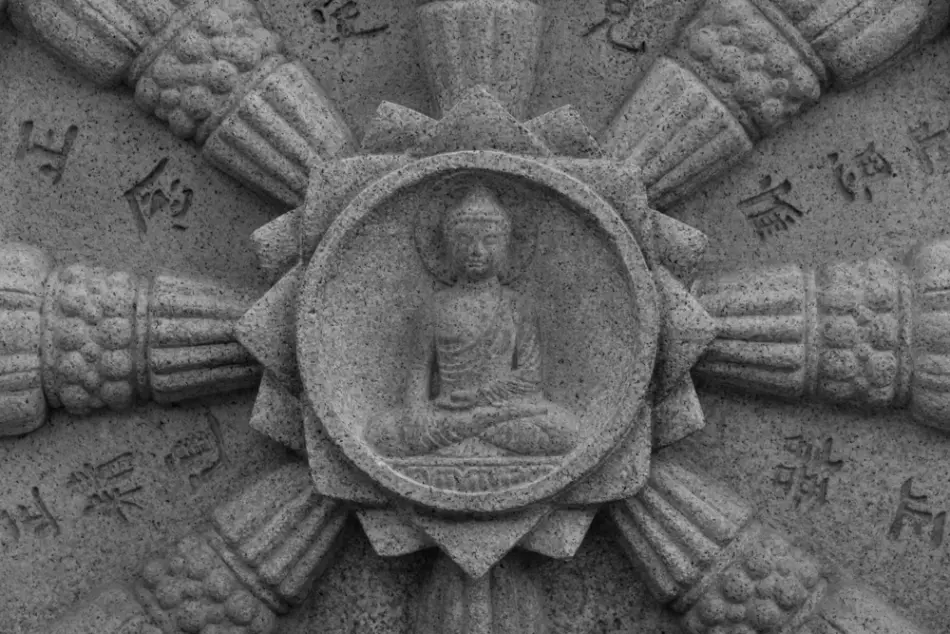
The word dharma comes from the Sanskrit root dhr, meaning “to hold” or “to support.” In its essence, dharma is what upholds the harmony of the universe. It refers to the natural order of things, both cosmic and personal. The dharma of ancient India included spiritual, social, and moral duties that supported balance and harmony.
Dharma is central to the worldview in many Eastern traditions. In particular, the Hindu concept of dharma serves as a foundation for how individuals relate to society, nature, and their own inner truth. It is not a fixed rulebook, but rather a living principle that changes with one’s age, role, and life circumstances.
Dharma in Hinduism honors the uniqueness of each person’s path. For some, dharma might be expressed as nurturing a family. For others, it may involve teaching, creating, healing, or caring for the land. All forms are equally sacred when done with awareness and heart.
What Dharma Means in the Midst of Change
So what dharma means in daily life, especially during times of transition, is presence. When our external circumstances shift, dharma offers internal steadiness. It invites us to ask not only “What should I do?” but “What is the most conscious and aligned response I can offer right now?”
Change can create confusion or fear. Dharma helps us move through uncertainty with integrity. It reminds us that we are not defined by what we do but by how we do it. We are defined by how we show up in each moment with awareness, compassion, and intention.
Living in alignment with dharma allows us to navigate change with trust rather than resistance. Whether we are letting go of old roles or stepping into new ones, dharma helps us act from our center.
Curious if this retreat is right for you?
How to Apply Dharma to Everyday Life
Understanding your personal dharma isn’t about finding one single purpose. It’s about learning how to live in a way that reflects your values, honors your gifts, and supports the greater good. Here are a few ways to integrate dharma into your daily life.
Reflect on What Comes Naturally
What are you drawn to? What activities bring you joy, focus, or energy? What do others often come to you for?
These natural inclinations are clues that can point toward your personal dharma. Your gifts are not random. They are meant to be shared.
Honor Your Current Role
Whatever season of life you’re in, there is dharma in it. Whether you’re nurturing a child, supporting a community, building a business, or caring for your own wellbeing, presence is key. Even the most ordinary tasks become sacred when approached with intention.
Let Integrity Guide Your Choices
Dharma calls us to act from truth, not impulse. When facing decisions, pause and ask: Is this action aligned with who I want to be? Does it reflect the values I want to embody? Dharma encourages thoughtful action, not perfection.
Practice Mindful Relationships
The way we relate to others reflects our dharma. Be honest, kind, and respectful. Listen deeply. Hold space for others without abandoning your own truth.
Dharma includes how we communicate, collaborate, and support one another.
Create Supportive Rituals
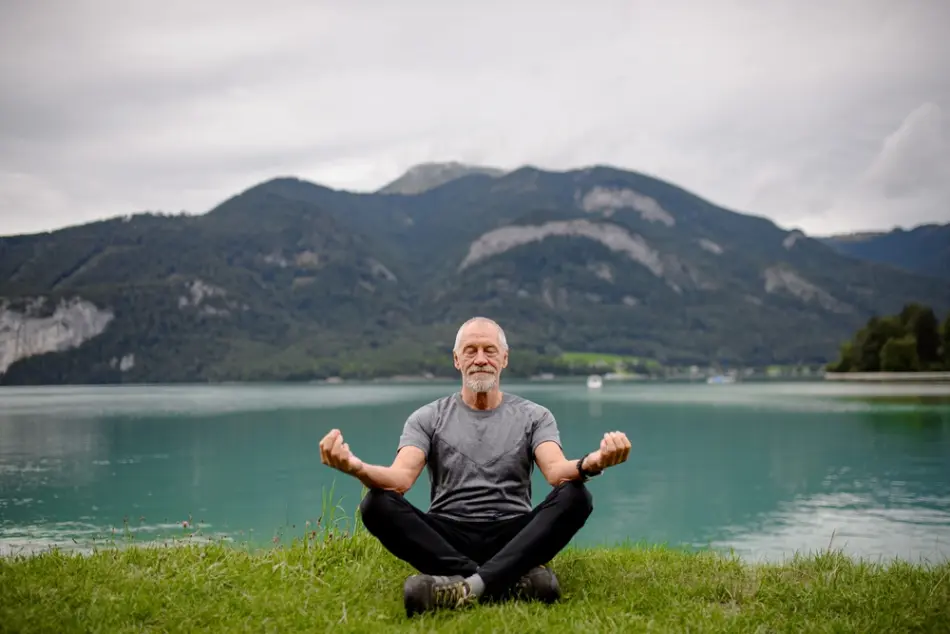
A consistent daily rhythm helps you stay anchored. Morning silence, meditation, movement, or journaling can offer the stillness needed to hear the voice of dharma. Even a simple breath taken with awareness can be a return to alignment.
The Dharma of Each Life Stage
The dharma of Hindu philosophy recognizes that life unfolds in stages. What feels aligned in one season may shift in another.
Youth may center around discovery and learning. Midlife may involve responsibility and service. Later years may invite wisdom, teaching, or spiritual reflection.
The dharma of ancient India acknowledged this evolution. December is a beautiful time to reflect on how your dharma may be changing.
Are you being called to slow down? To step into a new role? To release what no longer aligns?
Change is not an ending. It is part of the unfolding of dharma.
Final Thoughts
Dharma invites us to live with deeper awareness. It is not a strict set of rules, but a quiet invitation to align with truth. As we move through the transitions of the season and of our lives, we can let dharma be our guide.
Whether your current dharma is to rest, to lead, to serve, or to begin again, trust that your path has meaning. When we live in accordance with dharma, we contribute to the harmony of the whole, one conscious moment at a time.
At SoHum Mountain Healing Resort, we offer sacred space to reconnect with your inner wisdom and realign with your highest path. Through time-honored practices and personalized care, you are invited to rediscover the clarity within.
Reveal your higher self through Panchakarma! Explore the Panchakarma Retreat at SoHum Mountain Healing Resort.
SHARE

Sandy Viteri
RYT-200, ac
Sandy has studied under world renowned Ayurvedic Practitioner Vasant Lad, MASc, and is passionate about healthy living practices, spirituality, chakra work, travel, marketing, and animals.
