


Abhyanga for the Heart: Restoring Balance Through Loving Touch
By Vrinda Devani
Abhyanga is a traditional Ayurvedic oil ritual. It supports calm, comfort, and a deeper sense of connection through warm, mindful touch. The value of abhyanga value lies not in intensity, but in the steady practice of self-care. It encourages balance, grounding, and emotional ease.
- Abhyanga massage uses warm oil and intentional strokes to create a ritual of presence and compassion. This is ideal for daily or weekly self-care.
- Abhyanga Ayurvedic massage supports circulation, relaxation, and an overall sense of steadiness.
- Ayurvedic oil massage helps make the experience feel grounding, nourishing, and soothing for both body and mind.
- Regular practice may encourage physical comfort, emotional ease, and a quieter, more settled state.
- At SoHum Mountain Healing Resort, abhyanga emphasizes warmth, individualized care, and meaningful restoration.
A quiet intelligence within the body responds to touch, especially when that touch brings warmth, presence, and care. In Ayurveda, this is the essence of abhyanga. Abhyanga is a traditional ritual of anointing the body with warm oil in a slow, mindful way.
So, what is abhyanga massage? At its core, it is an Ayurvedic self-care practice that invites you to slow down, listen inward, and meet yourself with compassion. Through the gentle rhythm of abhyanga massage, many people experience a greater sense of calm, comfort, and connection.
More than a technique, abhyanga Ayurvedic massage is a ritual of self-care. Traditionally, it supports circulation, encourages relaxation, and promotes an overall sense of balance. In a world that often pulls attention outward, this practice offers a way to return to yourself. Indulge with steadiness and intention.
What Is Abhyanga Massage? A Sacred Ritual of Self-Care
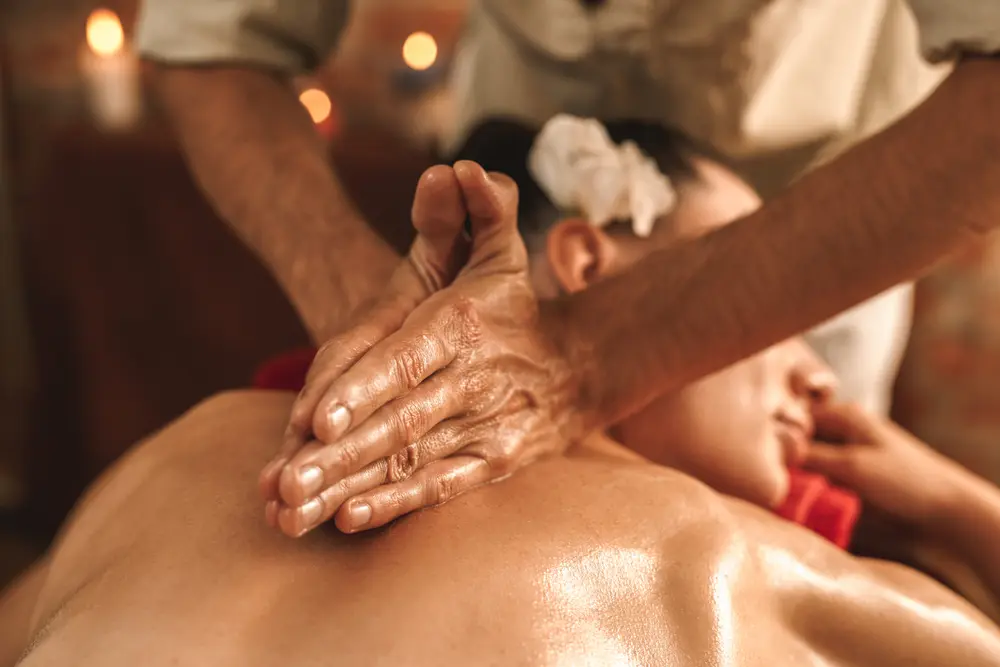
Abhyanga massage is a traditional Ayurvedic practice. This involves applying warm oil to the body using slow, intentional strokes. Rooted in ancient wisdom, abhyanga massage is a ritual that encourages presence, consistency, and care.
Rather than asking the body to do more, abhyanga invites you to pause. The warmth of the oil, the rhythm of the hands, and the focused attention of the practice may help create a sense of grounding. In Ayurveda, this ritual supports the skin, comforts the tissues, and encourages a calm, steady state.
Over time, abhyanga massage can become a meaningful part of a daily or weekly routine. It offers a simple way to reconnect with your body and create space for stillness in the middle of everyday life.
How Abhyanga Ayurvedic Massage May Support Calm and Balance
Modern life can feel overstimulating, fast-paced, and mentally noisy. One reason abhyanga Ayurvedic massage continues to resonate with so many people is that it offers a softer rhythm. Through warm oil and repetitive, mindful touch, the practice may help encourage relaxation and a greater sense of ease.
In Ayurveda, abhyanga has links with supporting balance. This is ideal when the qualities of dryness, movement, or restlessness feel more pronounced. This is one reason many value the practice for its grounding nature. Many people describe feeling quieter, more settled, and more present after receiving abhyanga massage.
This does not need to be dramatic to be meaningful. Sometimes the benefit is simply the opportunity to slow down and receive care. In that space, the body may soften, the breath may deepen, and the mind may feel less scattered.
Abhyanga Massage Benefits for Circulation, Comfort, and Emotional Ease
Among the many abhyanga massage benefits is its traditional role in supporting a sense of flow throughout the body. The rhythmic nature of abhyanga massage often supports healthy circulation and encourage overall physical ease.
In Ayurveda, touch is not purely physical. We understand that it supports the whole person. This is part of what makes abhyanga Ayurvedic massage feel so nourishing. The warmth of the oil and the consistency of the strokes may help create a sense of steadiness that extends beyond the skin.
Many people find that regular abhyanga supports not only bodily comfort but also a greater sense of emotional ease. Rather than forcing change, the practice invites softness, awareness, and receptivity. Over time, that can feel like a meaningful return to balance.
Curious if this retreat is right for you?

Ayurvedic Oil Massage: Nourishing the Body and Quieting the Mind
In Ayurvedic oil massage, the oil is an essential part of the experience. Warm, smooth, and comforting, it helps create the sensory quality that makes the practice feel so grounding. In Ayurveda, we choose oils with intention to traditionally support the body’s natural balance.
As we apply the oil to the skin, the process helps the body feel care and protection. The ritual itself can be deeply settling. Unlike mechanical routines, Ayurvedic oil massage encourages a slower pace and a more attentive relationship with the body.
This is one of the most meaningful qualities of abhyanga massage. As you care for the body in a consistent and gentle way, the mind may also begin to quiet. Through that softness, many people discover a deeper sense of presence and calm.
Creating an Abhyanga Ritual at SoHum Mountain Healing Resort
You can practice abhyanga at home as part of a personal self-care ritual. However, you can also experience it in a supported setting with a skilled practitioner. At SoHum Mountain Healing Resort, we offer abhyanga Ayurvedic massage. This is a deeply intentional form of Ayurvedic bodywork that emphasizes warmth, presence, and individualized care.
Beyond the treatment itself, The Spa at SoHum is a full-day, immersive wellness experience. We invite you to slow down, soften, and receive on every level. We encourage guests to arrive early and linger long after their session. You’ll have access to many thoughtful amenities that support deep rest and restoration.
From tranquil soaking to serene relaxation spaces in nature, each element complements Ayurvedic treatments like abhyanga. This creates a seamless flow between bodywork, stillness, and sensory nourishment.
SoHum allows the benefits of the treatment to integrate more fully. Rather than a single appointment, abhyanga becomes a ritual of renewal. Here, the entire day becomes an offering of care.
During a session, practitioners may select warm, herb-infused oils from traditional Ayurvedic principles to support your experience. This personalized approach encourages comfort, grounding, and a greater sense of overall well-being.
For many guests, receiving abhyanga massage in this setting becomes an opportunity to reconnect with quieter rhythms within. The value of the practice often lies not only in physical relaxation, but also in inner balance.
Returning to a Ritual of Care
In the end, abhyanga massage is about relationship. This is a way of returning to yourself through consistency, warmth, and attention. Through the steady rhythm of Ayurvedic oil massage, the body may feel more at ease. Additionally, the mind may feel less burdened by the pace of daily life.
This is part of what makes the practice so enduring. The ritual is about creating moments of care that support connection, comfort, and balance over time.
When approached as a ritual rather than a task, abhyanga Ayurvedic massage becomes something more meaningful. This is a quiet reminder that tending to yourself with gentleness can be a powerful part of every day.
Final Thoughts
Abhyanga offers a beautiful example of how Ayurvedic bodywork can be both simple and profound. With warm oil, mindful touch, and intentional presence, this traditional practice supports calm, comfort, and connection.
At SoHum Mountain Healing Resort, abhyanga massage is part of a wider philosophy of care. We honor balance, awareness, and the value of slowing down. For anyone exploring a more grounded relationship with self-care, this ritual can be a meaningful place to begin.
SHARE

Sneha raichada
MPT, CAP, E-RYT 500, YACEP
Sneha is the Dean of Education at The Ayurvedic Institute and is a certified Ayurvedic practitioner.
